
Our Tips

Benefits of Hojicha: Why Choose This Japanese Tea
Looking for a coffee alternative for your relaxing evenings without sacrificing the pleasure of a warm, comforting drink? Hojicha might just become your new ideal companion. This roasted Japanese green tea, with its caramelised aromas and amber colour, hides surprisingly impressive benefits behind its apparent simplicity — and it's winning over more and more fans. Unlike its cousin matcha, hojicha plays the gentleness card thanks to its low caffeine content and its naturally sweet flavour. Born from an ancestral roasting technique that transforms green tea leaves into golden nuggets, this Japanese brew offers a unique tasting experience while preserving precious therapeutic properties.But what are the actual health benefits of hojicha? How does the roasting process influence its virtues? And most importantly, how can you intelligently incorporate this tea into your daily life to make the most of everything it has to offer?Between age-old tradition and modern science, let's discover this Japanese treasure that reconciles pleasure and wellbeing — perfect for everyone who wants to explore the benefits of Japanese teas.
What is hojicha?
Hojicha stands apart from other Japanese green teas thanks to its unique roasting process. Unlike matcha or sencha, which keep their emerald colour, hojicha leaves are roasted at high temperature, giving them that characteristic reddish-brown hue and their irresistible toasted scent. This heat transformation completely changes the tea's aromatic profile. Gone is the sometimes pronounced bitterness of classic green tea! Hojicha develops notes of hazelnut, caramel, and even roasted coffee. Traditionally made from sencha, kukicha or even bancha leaves, this roasted tea reveals particular benefits thanks to its reduced caffeine content and digestive properties. Its natural gentleness makes it the ideal companion for autumn evenings and quiet moments to yourself, when you're looking for comfort without the buzz.
The history and traditions of hojicha in Japan
Hojicha is not an ancient tea like matcha. This comforting drink was born in the 1920s in Kyoto, when tea merchants were looking for a way to use their less commercially appealing bancha and sencha leaves. The brilliant idea? Roasting them in special porcelain vessels called "hōroku." This roasting technique completely transformed the tea's aromatic profile, creating those characteristic caramelised notes. Unlike other Japanese green teas, hojicha can be drunk at any time of day. Its low caffeine content makes it the perfect companion for Japanese winter evenings. Families serve it to children and the elderly, after meals or in the evening before bed, enjoying its benefits without the stimulating effects.
The unique roasting process that makes all the difference
Hojicha is roasted in rotating cast-iron drums, a technique that requires particular expertise. The green tea leaves are roasted at high temperature for just a few minutes, transforming their green colour into a beautiful golden brown. This crucial step develops the characteristic hazelnut and caramel aromas. It also considerably reduces the caffeine content, making this tea perfect for an evening cup. The timing of the roast directly influences the final aromatic profile: the longer it goes, the more the toasted notes dominate.
What's in this roasted green tea
Hojicha owes its unique character to its particular composition, shaped by the roasting process that transforms green tea leaves into a brew with caramelised notes. The tannins lose their astringency through heat, making this infusion particularly gentle on the palate. The caffeine (equivalent to what's found in tea) decreases considerably during roasting, allowing for an evening cup without disrupting sleep. Antioxidants also evolve: while some polyphenols degrade, other beneficial compounds emerge — notably pyrazines, responsible for those characteristic roasted aromas. This unique transformation directly influences the nutritional profile of the tea, setting it apart from classic sencha. The roasting also develops complex aromatic compounds that can sometimes recall coffee or roasted nuts.
What does hojicha taste like?
Hojicha reveals a completely unique flavour profile that sets it apart from other Japanese teas. Its roasting gives it toasted and caramelised notes, reminiscent of roasted chestnuts or light coffee. This heat transformation considerably softens the natural bitterness of green tea. On the palate, you discover a round and comforting drink with aromas of hazelnut and biscuit. Its smoky character stays delicate — never overpowering. This natural gentleness makes hojicha an excellent introductory tea for those who find sencha too vegetal. With its delicate flavour and its many benefits, hojicha offers an experience that is both delicious and good for you.
The different forms of hojicha
Hojicha comes in several forms depending on your tasting preferences. Whole leaf hojicha offers an authentic experience, with its caramelised notes revealing themselves slowly in the teapot.Hojicha powder, more convenient, allows you to quickly prepare lattes and baked goods. This ground form instantly releases its roasted hazelnut aromas. Finally, individual sachets appeal for their everyday practicality.Each format reveals the benefits of hojicha differently — from soothing relaxation to digestive properties — depending on the intensity of roasting chosen by the producer.
Hojicha benefits: the health virtues of this roasted tea
We often talk about matcha as "green gold"… but we frequently forget its more discreet, more toasted, almost mysterious cousin: hojicha.Roasting literally transforms the properties of this tea: it drastically reduces the caffeine (three times less than sencha!) and develops soothing compounds. Lower in caffeine, gentler on the stomach, naturally comforting… hojicha is often adopted by those looking for a lighter alternative to green tea or coffee. So what are the real benefits of hojicha?Is it just a pleasant tea to drink, or does it have genuine health virtues?
Low caffeine content: benefits for sleep and stress
Unlike matcha or some classic green teas, hojicha naturally contains very little caffeine. Why? Because it's roasted at high temperature — a process that significantly reduces its caffeine content. The result: a drink that's much gentler on the nervous system.In practice, that means fewer energy spikes followed by crashes, less nervousness, and above all the ability to drink it late in the day without disrupting sleep. If you're sensitive to caffeine, prone to stress or night-time wake-ups, hojicha can become an excellent alternative to coffee or even classic green tea.It's the perfect tea to slow down the pace, accompany a quiet evening, or establish a gentle ritual before bed — without sacrificing the pleasure of a warm, aromatic drink.
Antioxidants and anti-inflammatory properties of hojicha
Even though it's roasted, hojicha is still a green tea… and therefore a great source of antioxidants. During roasting, some catechins decrease slightly, but hojicha retains beneficial polyphenols that are good for the body. These compounds help combat oxidative stress, which is responsible for cellular ageing and many chronic inflammatory conditions.The heat of the roasting also transforms some of the tea's molecules, giving rise to woody and lightly caramelised aromas… but also compounds with soothing properties for the digestive system. The result: a softer, less astringent tea, often better tolerated by sensitive individuals.Consumed regularly as part of a balanced diet, hojicha can therefore help support the body's natural defences and contribute to a less inflammatory environment.It's not a magic potion, but it's an interesting option for those looking for a comforting hot drink that's both light and beneficial for the body.
Hojicha: a gentle ally for sensitive joints
When it comes to joint pain or osteoarthritis, we often immediately think of supplements or medication. Yet some simple daily habits can also contribute to joint comfort. Hojicha, with its particular profile, can be one of those small wellness gestures.
As we've just seen, this roasted green tea naturally contains antioxidants, including catechins, known for their role in combating oxidative stress. And oxidative stress is involved in inflammatory processes that can worsen joint pain. Without being a miracle cure, incorporating hojicha into a holistic routine (balanced diet, gentle exercise, adequate hydration) can help support the body in the face of chronic inflammation.
A helpful companion in a weight management approach
We'd rather be upfront: no tea will magically melt the kilos away. But some can intelligently support a weight management approach. Hojicha is one of them.Like all teas from the Camellia sinensis plant, hojicha contains antioxidants that support healthy metabolic function. Even if roasting slightly reduces the catechin content compared to classic green tea, hojicha retains interesting compounds to support the body day to day.
Its real advantage for weight management? It easily replaces sugary drinks or repeated coffees. With its naturally toasted, slightly nutty and comforting flavour, it delivers a sense of pleasure with no added sugar and no calories. So fewer impulsive snacking urges, and fewer sweet cravings at the end of the day.In summary, hojicha is not a fat-burning miracle. But integrated into a balanced diet and an active lifestyle, it can become a simple, enjoyable and sustainable ally in a weight management routine!
How to prepare and enjoy hojicha
Hojicha wins people over with its rare balance: simple preparation, and a surprisingly rich aromatic potential.Behind its apparent ease lies a deeply warming tea, capable of offering a gentle tasting experience as well as more creative takes.
Whether savoured in the traditional way or reimagined in modern recipes like lattes, hojicha deserves to be prepared with care to reveal the full subtlety of its roasted notes.Here's how to get the most out of it — respecting tradition first, then following your own tastes!
The traditional Japanese preparation method
In Japan, hojicha is prepared like a classic loose-leaf tea.
Use around 3 to 5 grams of leaves per cup (200 to 250ml), steeped in hot but not boiling water, ideally around 80 to 90°C (176 to 194°F). The infusion generally lasts 30 seconds to 1 minute. No need to leave it longer: hojicha releases its roasted aromas quickly.
Unlike some green teas, it doesn't turn bitter. The roasting removes the astringency sometimes present in other varieties. The result is an amber-brown liquor, smooth and round, with notes of hazelnut, light caramel and sometimes even a hint of cacao.
It can be re-infused a second time without any problem. The second cup will simply be a little lighter, but still pleasant.
Traditionally, hojicha accompanies meals, particularly in the evening. Its low caffeine content makes it a perfect after-dinner companion.
Modern variations and creative recipes with hojicha
Today, hojicha is enjoying a genuine revival — particularly in its powder form. More convenient, more concentrated and incredibly versatile, it allows you to fully enjoy its warm, toasted notes… with complete ease.
To prepare it pure, simply dissolve around 1 to 2 grams of hojicha powder (½ to 1 teaspoon) in 150 to 200ml of hot water around 80°C (176°F). Stir gently until the texture is smooth. You can also use a matcha whisk to better disperse the powder and incorporate the water more evenly, which gives a rounder, silkier drink. The powder dissolves and immediately releases its toasted, lightly caramelised aromas.
As a latte, it becomes a soft and enveloping alternative to coffee. Mix the powder with a small amount of hot water to create a smooth base, then add warm milk (plant-based or regular). You've got yourself a creamy, comforting drink, perfect for an afternoon break. In the evening, lightly sweetened with honey or maple syrup, it wonderfully accompanies those cosy moments: a blanket, a book, soft lighting.
Its fine texture also makes it an ideal ingredient in cooking. Folded directly into a cake batter, a dessert cream, a tiramisu or homemade granola, it adds a unique aromatic depth while staying delicate. Even a hot chocolate can take on a warmer dimension with a hint of hojicha!
Modern hojicha, especially in powder form, adapts to your every mood. Pure, as a latte or in baking, it transforms simple moments into genuine moments of comfort.
Precautions and contraindications for hojicha
Hojicha is often considered one of the gentlest and most accessible teas for everyday consumption. Thanks to its roasting, it generally contains less caffeine than classic green teas, making it suitable for people sensitive to caffeine or those wanting to limit their intake later in the day.
That said, it's still a tea. Even in small quantities, caffeine may not suit some very sensitive individuals, pregnant or breastfeeding women, or those with severe sleep disorders. As with all teas, it also contains tannins that can slightly hinder iron absorption if consumed in large quantities during meals.
The rule is simple: listen to your body. Consumed in moderation and integrated into a balanced routine, hojicha is a comforting drink that is well tolerated by the vast majority of people.
How to choose a quality hojicha
Not all hojicha is created equal. Behind that amber-brown colour and those comforting roasted notes, quality can vary enormously depending on the origin, the roasting method, and the care taken in production.
First, look at the origin. A quality hojicha comes from Japan, where the roasting of green tea is a genuine craft. Regions like Kagoshima, Kyoto and Shizuoka are renowned for their mastery of roasted teas. Origin isn't just a marketing detail: it influences the aromatic finesse and the balance on the palate.
Next, the raw material is essential. A good hojicha comes from carefully selected tea leaves — sometimes even quality bancha or sencha — then precisely roasted. A well-executed roast produces warm notes of hazelnut, cacao, caramel or toasted bread, with no burnt bitterness or overly dominant smoky taste. If the flavour recalls burnt coffee or ash, the roast was likely excessive.
Colour is also an indicator. In leaf form, a premium hojicha displays warm, uniform reddish-brown tones. In powder form, the shade should be light brown to chocolate brown, fine and even. A powder that's too coarse may indicate a less carefully produced product.
Aroma, finally, is telling: an exceptional hojicha offers a soft, enveloping, almost biscuity smell. If the nose is flat or too aggressive, the quality is questionable.
And then there's the most important criterion: balance. An excellent hojicha should be round, smooth and approachable, with no harshness. It should make you want to come back for more.
Because a good hojicha isn't just a hot drink. It's a moment apart.
Conclusion
Hojicha reveals all the subtlety of Japanese tea artistry. This roasted wonder offers a perfect alternative for those who want the benefits of green tea without the downsides of caffeine. Its unique profile, anti-inflammatory properties and potential support for joint comfort make it a precious ally for your daily wellbeing.
The roasting completely transforms the experience: no more sleepless nights after one too many cups! Hojicha accompanies you from morning to evening with its comforting caramelised notes. Whether you prepare it using the traditional method or incorporate it into your culinary creations, it brings that authentically Japanese touch that makes all the difference.

What Time of Day Should You Drink Your Matcha to Get All the Benefits?
Let's be honest: when you first discover matcha and start reading everything you can find on the subject, you quickly want to drink it morning, noon and night. And honestly, we get it. But between those who swear matcha should only be drunk on an empty stomach, those who use it as a 2pm coffee alternative, and those who sip a bowl before their workout… it's hard to know where to stand.
The truth is, the moment you drink your matcha genuinely changes how your body absorbs its benefits. Don't worry, we're not going to pull out a spreadsheet. We'll simply walk through each key moment of the day so you can slot your matcha bowl at exactly the right time, based on your goals. Energy, focus, digestion, recovery… every window has its advantages.
And if you haven't read our complete guide to the benefits of matcha yet, we recommend taking a look for the full picture. Here, we're going to focus on the when.
Morning: the star window (and for good reason)
On an empty stomach or after breakfast?
This is THE question that keeps coming up. Drinking your matcha in the morning — yes, pretty much everyone agrees on that. But should you drink it on an empty stomach or after eating something first?
If you have a sensitive stomach, we recommend eating a little something beforehand. Matcha contains some fairly powerful catechins that, on an empty stomach, can cause mild nausea in some people. Nothing serious, but it's not exactly the wake-up call you dreamed of.
On the other hand, if your stomach is iron-clad and nothing phases you before 8am, matcha on an empty stomach can be a real ally. The absorption of antioxidants, and particularly EGCG, is optimized when there are no other foods competing for the process. Your body captures everything, without any interference.
Why matcha is better than coffee in the morning
We're not going to trash coffee — that would be a little hypocritical. But it's worth recognizing that matcha has a huge advantage in the morning: L-theanine. This amino acid, found almost exclusively in tea (and in record quantities in matcha), works in tandem with caffeine to deliver a stable energy boost, without the famous peak followed by the 10:30am crash.
In practice, where coffee sends you an immediate jolt then leaves you deflating like a soufflé, matcha releases its energy over 4 to 6 hours. You stay alert and focused, without the shaky hands or that feeling of your heart beating a little too fast. It's a bit like comparing a sprint to a half-marathon: both have their charm, but for making it through the whole morning, the choice is pretty clear.
[cta-produit-3]
Late morning: the quiet boost before lunch
If you're the type who feels your concentration dipping around 11am, a mid-morning matcha can work wonders. It's actually a pretty underrated window.
At that point, your cortisol (the stress hormone, but also the one that naturally wakes you up) starts to drop after its morning peak. A bowl of matcha gently picks up the slack, without shocking your system. You maintain your productivity without pushing yourself, and you arrive at the lunch break without feeling like you've just run a mental marathon.
It's also an excellent moment if you practice intermittent fasting, since matcha doesn't break the fast (as long as you're not drowning it in milk and sugar, obviously — tempting as that is, we'll give you that!).
After lunch: the smart alternative to the 2pm coffee
Digestion and the afternoon slump: matcha to the rescue
Ah, the infamous 2pm slump. That moment when your body unilaterally decides that a nap is a national priority. We all know it. And the usual response is a quick espresso at the counter.
The problem is that coffee drunk after lunch can seriously disrupt your sleep at night, especially if you're sensitive to caffeine. Matcha, with its more moderate caffeine and its L-theanine smoothing things out, relaunches you without compromising your night. You stay operational for the afternoon, and at 11pm, your brain agrees to switch off without negotiating for two hours.
What's more, some studies suggest that the catechins in matcha could support digestion and help regulate blood sugar after a meal. It's not a miracle cure (we're not going to promise your gratins will digest in 10 minutes), but it's a welcome helping hand.
How much in the early afternoon?
If this is your second matcha of the day, half a bowl or a light matcha latte does the job perfectly. The idea isn't to load up on caffeine, but to benefit from the L-theanine + caffeine synergy at a reasonable dose. Your body will thank you — and so will your productivity.
Before exercise: a natural pre-workout
This might be matcha's best-kept secret. Drinking a bowl 30 to 45 minutes before a workout can genuinely improve your performance — and it's not just us saying so: several studies have shown that the catechins in green tea promote fat oxidation during physical effort.
In plain terms, your body becomes a little more efficient at using fat as fuel. Add in the stimulating effect of caffeine and the focus effect of L-theanine, and you have a 100% natural pre-workout — no endless ingredient list, no artificial candy flavor.
Whether you're into running, yoga, weightlifting or even brisk walking, matcha before exercise is a genuine game changer. Try it once and you'll understand.
Late afternoon: the last reasonable window
The cut-off time you shouldn't cross
Here we enter the grey zone. Drinking matcha in the late afternoon — say between 4pm and 5pm — is still manageable for most people. But beyond 5pm, you start playing with fire (or rather, with your sleep).
Matcha contains around 60 to 70mg of caffeine per bowl, roughly half an espresso. Not enormous, but caffeine has a half-life of about 5 to 6 hours. Translation: if you drink a matcha at 6pm, by midnight a quarter of the caffeine is still in your system. Not ideal for drifting off to sleep.
People who are sensitive to caffeine
If you're one of those people who can feel coffee even when drunk at 3pm, be even more cautious with the late-afternoon window. Matcha is certainly gentler than coffee in how it releases, but caffeine is still caffeine. In that case, keep your last matcha for the early afternoon and switch to a caffeine-free herbal infusion after 3pm.
[cta-produit-1]
Evening: why it's (generally) a bad idea
We'll be straight with you: drinking matcha in the evening — unless you're planning to code until 3am or pull an all-nighter — is rarely a good idea. Even if L-theanine has relaxing properties, it's not enough to counterbalance the stimulating effect of caffeine when your body is trying to produce melatonin.
There are of course very low-caffeine matchas or "evening" matcha blends, but honestly, at that point it's not really traditional matcha anymore. If you're looking for a soothing evening ritual, turn instead to a hojicha (roasted green tea, very low in caffeine) or an herbal infusion.
And if you truly can't resist the call of matcha after 7pm, we won't judge. But don't say we didn't warn you when you're counting sheep at 2am.
So, what's the best time to drink your matcha?
The answer depends above all on what you're looking for. For maximum energy and optimal antioxidant absorption, morning remains the prime window. For productivity, mid-morning or early afternoon are formidable. And for athletes, 30 to 45 minutes before exercise is the perfect timing.
The one truly universal piece of advice: avoid matcha after 5pm if you care about your sleep. For the rest, listen to your body, experiment, and find the rhythm that works for you.
And if you want to make sure you're getting all these benefits, you need to start with a quality matcha. A ceremonial-grade matcha, grown properly in Japan, will have a completely different impact from a budget powder found at the back of a supermarket shelf. At Maïdo, we've selected our matchas directly in Mie and Kagoshima so that every bowl brings you the best that Japanese green tea has to offer.

Chlorophyll in Tea: Benefits, Properties, and Content
Chlorophyll in Tea: Benefits, Properties, and Content

Does Matcha Really Make Hair Grow?
Vous avez sûrement vu passer ces vidéos sur les réseaux sociaux. Une influenceuse à la chevelure digne d'une publicité qui jure, la main sur le cœur, que son secret c'est de boire du matcha tous les jours.
Là, votre radar à "bêtises marketing" s'active probablement. Après tout, on nous a déjà fait le coup avec la levure de bière (qui fait surtout gonfler le ventre), l'huile de ricin (qui est un enfer à rincer) et les gummies en forme d'oursons qui collent aux dents.
Alors, le matcha est-il vraiment l'élixir miracle pour transformer vos cheveux fins et fatigués en crinière de lionne ? Ou est-ce juste une autre tendance verte pour nous faire acheter de la poudre ?
On a creusé le sujet, lu les études scientifiques (oui, vraiment), et on vous dit tout. Sans filtre. Mais autant être direct : ce n'est pas la solution miracle.
La réponse courte (pour les impatients)
Est-ce que boire une tasse de matcha va vous faire gagner 10 cm de cheveux dans la nuit ? Non. (Désolé de briser le mythe).
Est-ce que le matcha contient des composants chimiques puissants prouvés pour freiner la chute et stimuler la repousse sur le long terme ? Oui... mais.
Ce n'est pas de la magie, c'est de la chimie. Le matcha n'est pas juste un thé vert, c'est une bombe nutritionnelle. Et il s'avère que vos cheveux sont particulièrement friands de ce qu'il y a à l'intérieur. Regardons pourquoi.
L'arme secrète : L'EGCG
Si vous devez retenir un seul acronyme pour briller en société (ou chez le coiffeur), c'est celui-ci : EGCG (épigallocatéchine gallate).
C'est l'antioxydant superstar du matcha. Vous savez, celui qui combat le vieillissement et protège vos cellules ? Eh bien, il a un super-pouvoir spécifique pour les cheveux.
Comment l'EGCG sauve votre cuir chevelu ?
Des études scientifiques ont montré que l'EGCG peut inhiber la production de DHT (Dihydrotestostérone). La DHT, c'est le "méchant" de l'histoire. C'est une hormone qui s'attaque aux follicules pileux (la racine du cheveu), les rétrécit et finit par provoquer la chute des cheveux. C'est la cause principale de la calvitie et de l'affinement des cheveux chez les hommes comme chez les femmes.
En buvant du matcha (qui est ultra-concentré en EGCG, bien plus que le thé vert classique infusé), vous aidez votre corps à dire "Stop" à la DHT. Résultat : vous gardez vos cheveux plus longtemps sur la tête, et vous laissez une chance aux nouveaux de pousser tranquillement.
⚠️ Attention au piège : l'ironie du manque de fer
C'est le petit détail que personne ne vous dit, mais qui change tout. Comme beaucoup de thés, le matcha est riche en tanins. Ces tanins sont géniaux pour la santé, mais ils ont un défaut agaçant : ils peuvent bloquer l'absorption du fer par votre corps (surtout le fer d'origine végétale).
Pourquoi c'est important ? Parce que l'anémie (le manque de fer) est l'une des causes principales... de la chute des cheveux ! C'est le serpent qui se mord la queue : si vous buvez 5 tasses de matcha par jour pendant vos repas pour avoir de beaux cheveux, vous risquez de créer une carence en fer qui les fera tomber. C'est totalement contre-productif.
La solution est simple : le timing. Ne buvez pas votre matcha en mangeant votre steak ou vos lentilles. Gardez-le pour le plaisir, au moins une heure avant ou après les repas. Ainsi, votre corps absorbe le fer de votre assiette tranquillement, et les antioxydants du matcha plus tard. Tout le monde est content, et vos cheveux restent sur votre tête.
Le facteur stress : pourquoi vos cheveux tombent (et comment le matcha aide)
Soyons honnêtes deux minutes. Pourquoi perdons-nous nos cheveux la plupart du temps ?
La génétique (merci papa, merci maman...).
Les changements de saison.
Le STRESS.
Le cortisol (l'hormone du stress) est un assassin pour votre chevelure. Quand vous êtes stressé, votre corps passe en mode survie. Il se dit : "Ok, on a une crise à gérer, on arrête de gaspiller de l'énergie pour des trucs inutiles comme les ongles ou les cheveux". Et hop, chute massive.
C'est là que le matcha est plus fort que le café. Le café vous excite et peut augmenter votre anxiété (et donc le cortisol). Le matcha, lui, contient de la L-Théanine. C'est un acide aminé qui favorise la relaxation et les ondes alpha dans le cerveau.
C'est un effet "Zen-Éveillé". En remplaçant votre troisième café par un matcha, vous baissez votre niveau de stress global. Moins de stress = moins de cortisol = des cheveux qui restent accrochés à votre tête. C'est mathématique.
Les autres nutriments "cheveux" cachés dans votre bol
On parle beaucoup de l'EGCG, mais le matcha est une multivitamines naturelle. Voici ce qu'il apporte à votre fibre capillaire :
Vitamine B (Panthénol) : Vous voyez ce mot sur tous les shampoings fortifiants ? Le matcha en contient naturellement. Ça aide à combattre les pointes fourchues.
Vitamine C : Essentielle pour produire du collagène. Et sans collagène, le cheveu est cassant.
Vitamine E : Un hydratant puissant pour le cuir chevelu. Un cuir chevelu sec = des pellicules et une mauvaise pousse.
Conclusion : faut-il s'y mettre ?
Alors, le matcha fait-il pousser les cheveux ? Disons que c'est un bon engrais naturel que vous puissiez donner à votre corps.
Si vous mangez mal, que vous ne dormez pas et que vous êtes stressé H24, boire un matcha ne va pas miraculeusement vous transformer en Raiponce. Par contre, si vous l'intégrez dans une routine saine, c'est un allié redoutable. Il attaque le problème à la racine (littéralement) en calmant le stress et en bloquant les hormones responsables de la chute.
Notre dernier conseil : Donnez-lui du temps. Le cheveu est lent. Il faut environ 3 mois de consommation régulière pour voir un vrai changement sur la qualité et la densité de la chevelure. Commencez par remplacer votre café du matin par un matcha. Non seulement votre peau vous remerciera, mais vos cheveux risquent bien de devenir votre meilleur atout.

The quest for weight loss is a topic that concerns many people around the world. While diets and exercise programs are often at the center of discussions, natural alternatives like matcha are gaining popularity. But what is matcha, and can it really contribute to weight loss? Let's explore this topic in depth.
What is matcha?
Matcha is a powdered form of green tea, originating from Japan. Unlike other teas, matcha is made from shade-grown tea leaves, which increases their chlorophyll and antioxidant content. When you consume matcha, you ingest the entire leaf, meaning its benefits are concentrated in a single cup.
This tea is traditionally used in Japanese tea ceremonies, but it has recently found its place in kitchens around the world. With its unique taste and vibrant color, matcha has become a prized ingredient in many recipes, from smoothies to desserts.
Nutritional benefits of matcha
Matcha is rich in antioxidants, especially catechins, which are known for their anti-inflammatory and anti-aging properties. Additionally, it contains L-theanine, an amino acid that helps reduce stress and improve concentration. These nutritional elements make it an interesting choice for those looking to improve their overall health while pursuing weight loss goals.
Moreover, matcha is low in calories and can be easily integrated into a balanced diet. Its distinctive taste and versatility make it a pleasant addition to many dishes, which can help make a diet more sustainable in the long run.
In addition to its health benefits, matcha is also associated with a rich culture and ancient traditions. In the Japanese tea ceremony, every step of preparing and consuming matcha is imbued with meaning and respect. Practitioners believe that this ceremony promotes mindfulness and tranquility, thereby allowing a deeper connection with the present moment. This spiritual approach to matcha contributes to its appeal, as it offers not only physical benefits but also a meditative experience.
Matcha is also becoming a symbol of modern cuisine and the trend towards natural and healthy ingredients. Many chefs and nutritionists incorporate it into innovative recipes, such as matcha ice cream, pancakes, and even sauces. This growing popularity testifies to matcha's adaptability and its potential to enrich a variety of dishes, while also adding an aesthetic touch with its vibrant green color.
How can matcha help with weight loss?
The question that often arises is how matcha can truly contribute to weight loss. Several studies have suggested that matcha may have beneficial effects on metabolism and fat burning.
Increased metabolism
One of the ways matcha can help with weight loss is by increasing metabolism. Research has shown that the catechins present in matcha can stimulate thermogenesis, the process by which the body burns calories to produce heat. This means that even at rest, the body can burn more calories, which is a significant advantage for those looking to lose weight.
In addition, the caffeine in matcha can also contribute to this effect. By increasing alertness and energy, caffeine can encourage people to be more active, which can also contribute to weight loss.
Appetite reduction
Another interesting aspect of matcha is its potential ability to reduce appetite. Some studies suggest that the antioxidants present in matcha can influence satiety hormones, which could help control cravings and reduce overall caloric intake. This can be particularly useful for those struggling with snacking between meals.
By incorporating matcha into a diet, it is possible to feel fuller for longer, which can help avoid overeating.
Furthermore, matcha is rich in L-theanine, an amino acid that promotes relaxation without causing drowsiness. This combination of energy and calm can help reduce stress, an often underestimated factor in weight gain. Indeed, stress can lead to compulsive eating behaviors, making weight management even more difficult. By consuming matcha, you not only benefit from its metabolic properties, but you can also improve your mental well-being, which can have a positive impact on your food choices.
How to incorporate matcha into your diet
If the idea of incorporating matcha into your daily routine appeals to you, there are many ways to do so. Whether as a hot drink, a smoothie, or even in pastries, the possibilities are almost endless.
Matcha drinks
The most traditional method for consuming matcha is to prepare it as a drink. To do this, simply mix a teaspoon of powdered matcha with a little hot (but not boiling) water and whisk until smooth. This can be an excellent alternative to morning coffee.
For an extra touch, you can add milk or a milk alternative to create a matcha latte. This can also increase the feeling of fullness, making your drink even more satisfying.
Incorporation into smoothies
Matcha also pairs very well with smoothies. By adding a teaspoon of matcha to your fruit and vegetable blend, you can boost your drink with extra antioxidants. This can be a great way to start the day with a nutritious and energizing breakfast.
Try blending matcha with bananas, spinach, yogurt, and a little honey for a delicious and healthy smoothie.
In addition, matcha can also be integrated into bowl recipes. A breakfast bowl made with yogurt, topped with fresh fruit, chia seeds, and a scoop of matcha, can not only be visually appealing but also incredibly nourishing. The benefits of matcha, including its ability to boost metabolism and improve concentration, make it an ideal addition to your daily diet.
What’s more, matcha can be used in dessert recipes, such as brownies or cookies. These small treats can help satisfy your sweet cravings while enjoying the antioxidant properties of matcha.
Precautions to take
While matcha has many benefits, it is important to use it in moderation. Due to its caffeine concentration, excessive consumption can lead to undesirable effects such as anxiety, sleep disturbances, and heart palpitations.
Moderate consumption
For most people, one to two cups of matcha per day are considered safe. It is essential to listen to your body and not exceed this amount, especially if you are sensitive to caffeine.
It is also advisable to choose high-quality matcha, such as that from Maïdo Matcha, as lower-quality products may contain undesirable contaminants or additives.
Discover our quality matcha teas
In addition, it is crucial to consider potential interactions between matcha and certain medications. Therefore, it is recommended to consult a healthcare professional before incorporating matcha into your daily diet.
Finally, to maximize the benefits of matcha while minimizing risks, it is wise to combine it with a balanced diet and a healthy lifestyle. By including fruits, vegetables, and whole grains in your diet, you can enjoy the antioxidant effects of matcha while supporting your overall well-being. Remember that hydration is also essential, so be sure to drink enough water throughout the day.
Conclusion
In summary, matcha can be an excellent ally in the quest for weight loss. Thanks to its unique properties, it can help increase metabolism, reduce appetite, and offer a multitude of health benefits. However, as with anything, the key lies in moderation and integration into a healthy lifestyle.
Whether as a hot drink, in a smoothie, or even in pastry recipes, matcha is a versatile addition that can bring a touch of well-being to your diet. So, why not try incorporating matcha into your daily routine and see how it can help you with your weight loss goals?
3 Benefits of Matcha During Menstruation
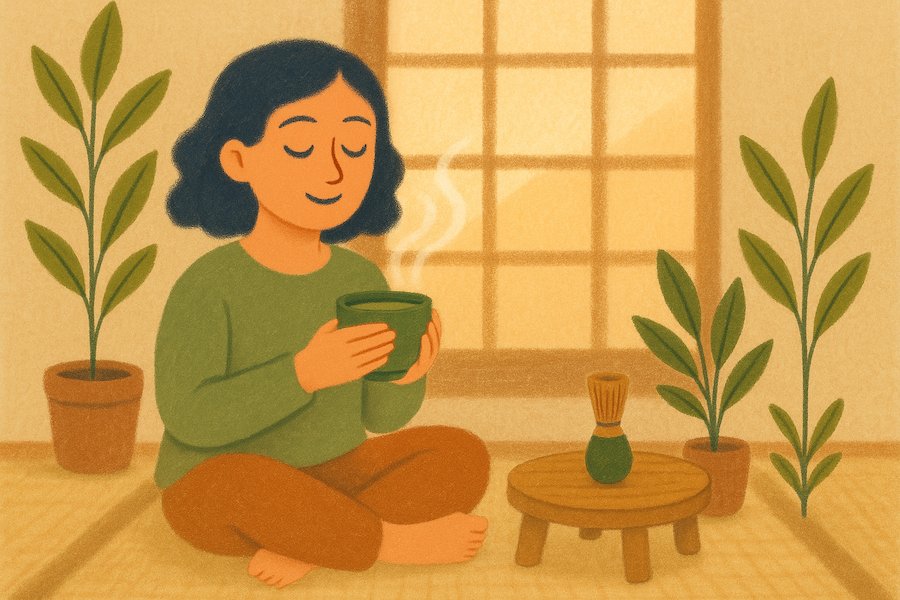
Periods are never quite the same from one month to the next, but they often come with the same reality: fatigue, mood swings, cramps, or simply the desire to slow down. At Maïdo Matcha, we believe that every woman deserves a little pampering during this time. Without making miracle promises, matcha can become an everyday ally: a comforting drink, a moment for oneself, and some natural benefits to better get through these few days. In this article, we share 3 simple reasons to integrate matcha into your routine during your period.
Matcha, what is it again?
Before diving into its benefits, a quick reminder for newcomers: matcha is a finely ground Japanese green tea powder that is mixed with hot water or milk. Unlike infused tea, here you consume the entire leaf, making it a drink concentrated in antioxidants, vitamins, and active ingredients. In terms of effect, matcha contains caffeine, but also L-theanine, an amino acid known for its relaxing properties. The result? More stable energy, less nervousness, making it an ideal drink to incorporate into your wellness routine, especially during your period.
Benefit #1: An energy boost without the jitters
During your period, it's common to feel more tired, as if your energy is draining throughout the day. This is normal: the body is working, eliminating, and adapting. Rather than rushing for a strong coffee that can cause energy spikes followed by sudden crashes, matcha offers a much gentler alternative. Thanks to its natural caffeine content (called theine in tea) and especially the presence of L-theanine, it releases progressive and stable energy. It's like your body is supported without being overstimulated. Unlike coffee, matcha doesn't agitate: it stimulates while calming. You feel more awake, clearer, without being nervous. Perfect for those days when you want to stay focused, but without excess. And as a bonus, this feeling of fluid energy is often accompanied by a better mood. A real little benevolent recharge.
Benefit #2: An ally against stress and mood swings
Let's be honest: periods can sometimes be an emotional rollercoaster. A wrong word, accumulating fatigue, hypersensitivity that comes on without warning... What if a cup of matcha could help smooth things out a bit? L-theanine, naturally present in matcha, promotes a calmer and more relaxed state of mind. It acts on brain waves, favoring those associated with relaxation and concentration (the famous alpha waves). It's not a spectacular effect, but it's subtle and effective: a gentle calming, a feeling of inner balance. The simple act of taking a moment for yourself, preparing your matcha with your whisk, anchoring yourself in a comforting little ritual also helps create a space of calm. Drinking your matcha then becomes a gesture of recentering. A "sigh of relief" in the hormonal storm.
Benefit #3: Antioxidants to support the body
During your period, our body goes through a phase of elimination, regulation, and sometimes inflammation. Menstrual pain is often linked to uterine contractions and inflammatory processes. This is where matcha, with its exceptional concentration of catechins (especially EGCG), comes into play. These powerful antioxidants help reduce inflammation and protect cells from oxidative stress. This support does not replace medical treatment, of course, but it acts as a small natural reinforcement to accompany the body. In addition, matcha's antioxidants contribute to the proper functioning of the immune system, which can be more vulnerable during this period. Drinking matcha is therefore both supporting your defenses, helping to soothe tensions, and making a fundamental gesture for your general well-being. A bit like telling your body: "I'm listening, I'm taking care of you."
How to integrate it into your routine during your period?
No need to completely change your habits to enjoy the benefits of matcha. The idea is to gently integrate it, like a little ritual for yourself during this more sensitive period of your cycle. In the morning, you can replace coffee with a bowl of traditional matcha, whisked with hot water: it awakens gently, supports energy, and encourages starting the day more calmly.
👉 If you are rather sensitive to strong flavors or are new to matcha, Mei-san is perfect during your period: gentle, without bitterness, and ideal for times when the body craves tenderness.👉 If, on the contrary, you like bolder flavors, or are looking for a more intense matcha to stay on track during busy days, Daichi-san will offer you character... without aggression.
For those who like richer drinks, a matcha latte made with plant-based milk (oat, almond, or coconut) becomes a real cozy moment. It's also a great alternative to an afternoon sweet snack: comforting, but without causing an energy crash.
Matcha can also be integrated into your wellness routine creatively: added to a smoothie, a chia pudding, or even pancake batter if you crave sweetness. But beyond the recipe, it's the intention that counts: taking a few minutes for yourself, slowing down, breathing, reconnecting. Use this moment to listen to your body: what does it need today? A boost, a warm hug, a moment of calm? Matcha adapts. It doesn't just nourish: it accompanies. And during your period, that might be all you need.
Discover our matcha
Drinking matcha during your period won't solve everything, but it can make a real difference. A little more energy, a little less stress, a feeling of gentle support: that's what Maïdo Matcha wants to offer. Whether you are a regular matcha drinker or just starting, this drink can naturally fit into your month, like a small wellness appointment. Because taking care of yourself sometimes starts with a simple sip.
Matcha vs Coffee: Differences and Which to Choose
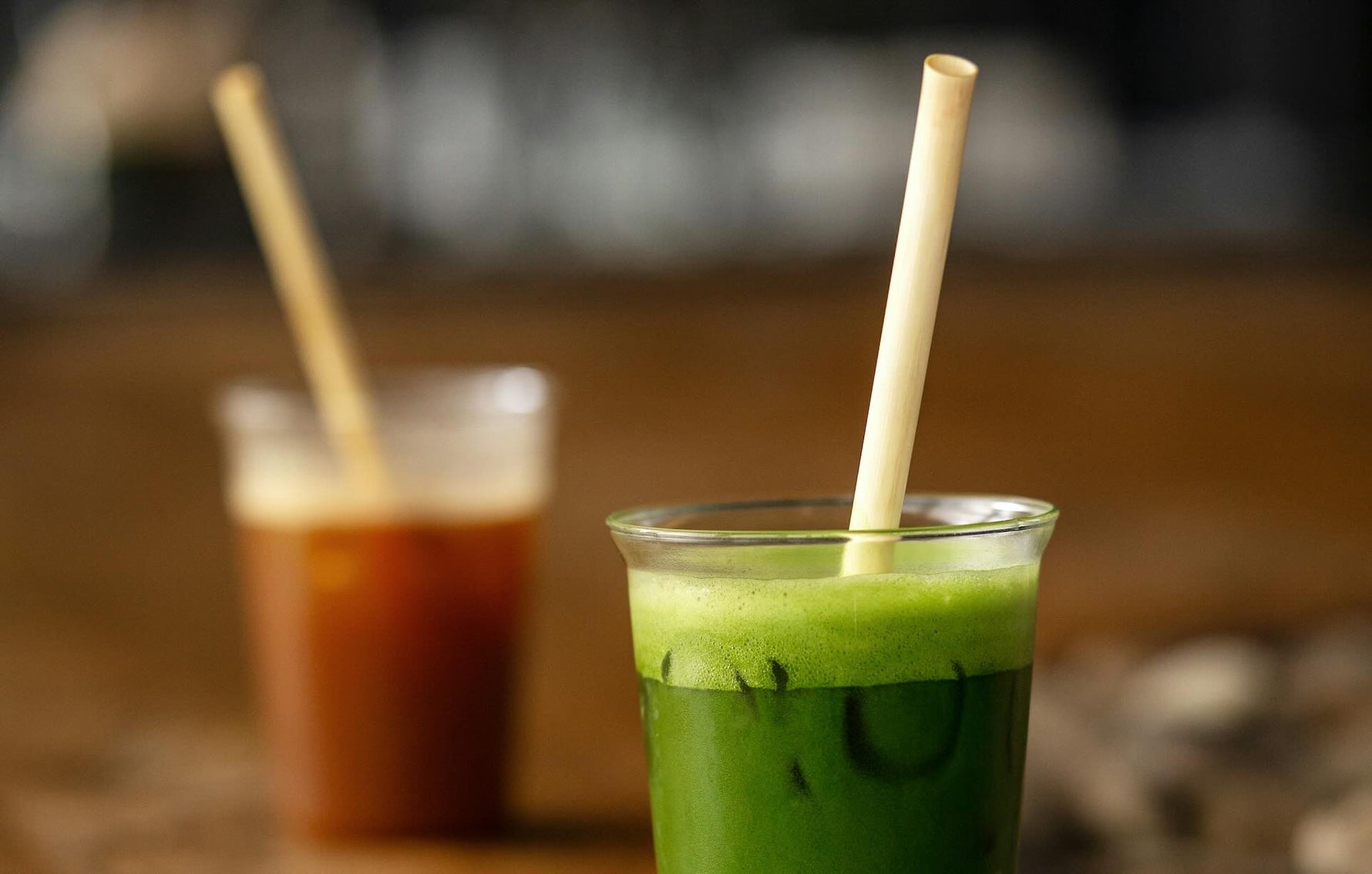
In the world of caffeinated beverages, matcha and coffee hold a special place. Each has its own followers, preparation rituals and effects on the body. But what are the real differences between these two popular drinks? This article explores their origins, nutritional properties, and helps you determine which one to choose according to your needs.
Origins and composition: discovering matcha and coffee
The ancient history of Japanese matcha
Matcha, a finely ground green tea powder, has its roots in Japan, where it has been used for centuries in tea ceremonies. Its history dates back to the 12th century, when Buddhist monks began importing it from China. This tea is shade-grown, which increases its chlorophyll and amino acid content, giving it its vibrant color and unique umami taste.
Over the years, matcha has evolved to become a symbol of Japanese culture. It is appreciated not only for its flavors, but also for its beneficial health properties. The tea ceremony, which showcases matcha, is an art that combines meditation and aesthetics, reinforcing its cultural importance. Tea masters, through their expertise, convey values of respect, tranquility and harmony, making each cup of matcha a spiritual and sensory experience. Moreover, matcha has become a prized ingredient in modern gastronomy, found in desserts, smoothies and even savory dishes, testifying to its versatility.
The global journey of coffee and its varieties
Coffee, on the other hand, has an equally fascinating history. Originally from Ethiopia, it quickly gained popularity around the world, becoming an essential beverage in many cultures. Coffee is grown in tropical regions, and its varieties, such as Arabica and Robusta, offer a diversity of flavors and aromas.
Over the centuries, coffee has been associated with social rituals, like the literary cafés in Europe, where intellectuals gathered to discuss ideas. Today, coffee is not just a beverage, but also a symbol of conviviality and sharing, with a multitude of preparation methods ranging from espresso to filter coffee. Furthermore, coffee culture has spawned a true artisanal movement, where baristas strive to perfect each cup, focusing on bean origins and roasting techniques. Coffee festivals, celebrated in many regions of the world, highlight this growing passion for coffee, bringing together producers, enthusiasts and experts around tastings and workshops, strengthening the bonds between different coffee cultures.
Nutritional properties and health effects
Antioxidants and specific benefits of matcha
Matcha is recognized for its richness in antioxidants, particularly catechins, which help fight free radicals in the body. These compounds are associated with a reduced risk of chronic diseases, such as heart disease and certain types of cancer. In addition, L-theanine, an amino acid present in matcha, promotes relaxation without causing drowsiness, making it an excellent choice for those seeking increased concentration.
The benefits of matcha don't stop there. It is also known to boost metabolism and promote weight loss. By integrating matcha into a balanced diet, one can not only enjoy its unique flavor, but also its positive health effects. Indeed, studies have shown that regular matcha consumption can increase the fat burning rate, making it a valuable ally for those looking to maintain a healthy weight. Furthermore, matcha is often considered a superfood due to its ability to improve mental health, reducing stress and promoting a positive state of mind.
Caffeine and coffee's impact on the body
Coffee, for its part, is famous for its caffeine content, a stimulant that can improve alertness and concentration. A cup of coffee generally contains between 95 and 200 mg of caffeine, depending on the type and preparation method. This caffeine acts quickly on the central nervous system, providing an energy boost that can be particularly appreciated in the morning or during moments of fatigue.
However, it is important to consume coffee in moderation. Excessive consumption can lead to adverse effects such as anxiety, insomnia, and heart palpitations. It is therefore advisable to pay attention to one's own caffeine tolerance and adjust consumption accordingly. Moreover, coffee is also rich in antioxidants, which can contribute to protecting cells against premature aging. Research has even suggested that moderate coffee consumption could be linked to a decreased risk of neurodegenerative diseases like Alzheimer's and Parkinson's disease, reinforcing its status as a beneficial beverage when consumed responsibly.
Why ultimately choose matcha?
Selection criteria: taste, energy and time of day
The choice between matcha and coffee can depend on several criteria, notably taste, desired energy, and time of day. Matcha offers a smooth and herbaceous flavor, often described as umami, which may appeal to those who prefer a different taste experience.
In terms of energy, matcha provides a smoother and more prolonged energy rise thanks to the presence of L-theanine, while coffee offers a quick boost but which tends to stop directly after this peak, which can then be problematic. For those looking to avoid caffeine spikes, matcha can be the ideal choice, especially in the middle of the day.
Preparations and culinary uses of both beverages
Both beverages offer a variety of preparations and culinary uses. Matcha can be used in recipes ranging from smoothies to pastries, bringing a vibrant color and unique flavor. Cooking enthusiasts can incorporate it into desserts like cakes, ice cream, and even sauces for an original touch.
Coffee, meanwhile, is often used in dessert recipes, such as tiramisu or coffee cakes. It can also be integrated into creative beverages, like coffee cocktails or frappés.
Furthermore, matcha is also prized for its health benefits. Rich in antioxidants, it helps combat oxidative stress and improve concentration. Many people choose to consume it in the morning to start the day with mental clarity. Matcha can also be prepared as a latte, mixed with almond or coconut milk, making it a delicious and creamy alternative to traditional coffee.
Coffee, meanwhile, is often associated with social rituals, like coffee breaks at work or meetings with friends in cafés. Its preparation can vary from a simple espresso to more elaborate methods like siphon or cold brew. Each preparation method brings a different nuance to the taste, and coffee enthusiasts often enjoy exploring these various techniques to discover new flavors and aromas.
_*]:min-w-0 !gap-3.5">
Comparison table: Matcha vs Coffee
If we had to summarize this final match or duel, we could do it with this table:
&]:odd:bg-bg-500/10" style="height: 19.5938px;">
Criteria
🍵 Matcha (1 cup)
☕ Coffee (1 cup)
&]:odd:bg-bg-500/10" style="height: 19.5938px;">
Caffeine
60-70 mg
95-200 mg
&]:odd:bg-bg-500/10" style="height: 19.5938px;">
L-theanine
25-46 mg
0 mg
&]:odd:bg-bg-500/10" style="height: 19.5938px;">
Antioxidants (ORAC)
1573 units/g
25 units/g
&]:odd:bg-bg-500/10" style="height: 19.5938px;">
Energy duration
4-6 hours
1-4 hours
&]:odd:bg-bg-500/10" style="height: 19.5938px;">
Crash sensation
❌ Rare
✅ Common
&]:odd:bg-bg-500/10" style="height: 19.5938px;">
Concentration
⭐⭐⭐⭐⭐
⭐⭐⭐
&]:odd:bg-bg-500/10" style="height: 19.5938px;">
Stress reduction
✅ Yes
❌ No
&]:odd:bg-bg-500/10" style="height: 19.5938px;">
Price per cup
€0.50 - €1.17 (at Maïdo)
€0.15 - €2.00
&]:odd:bg-bg-500/10" style="height: 19.5938px;">
Taste
Umami, vegetal
Bitter, roasted
Which matcha to start with?
Convinced by matcha's benefits but don't know where to start? At Maïdo, we've selected 3 matchas perfect for everyone, each offering a unique experience according to your taste preferences.
🍃 Mei-san - Smoothness for delicate palates
Specially designed for those discovering matcha, Mei-san presents a natural sweetness with less bitterness. This ceremonial matcha stays true to traditions while offering a more accessible approach. Excellent for lattes, usucha or koicha, it will meet all your desires!
Taste profile: Sweet and creamy, subtle herbaceous notes, very little bitterness
Discover the smoothness of Mei-san
🌱 Daichi-san - The authentic matcha for purists
Our second ceremonial grade matcha is ideal if you want to discover the true taste of Japanese matcha. It is the highest quality at Maïdo Matcha. With its pronounced vegetal notes and characteristic umami, Daichi-san offers you the authentic experience of tea masters. Perfect for traditional preparation with bamboo whisk and morning meditation moments.
Taste profile: Intense vegetal, marked umami, refreshing finish
Discover Daichi-san matcha
🌸 Kaori-san - The versatile matcha
Our most versatile matcha combines the authentic character of matcha with exceptional roundness. Kaori-san offers the best of both worlds: enough personality for connoisseurs, enough sweetness to seduce novices. It excels both in pure preparation and in creative recipes. We recommend it if you only drink matcha lattes!
Taste profile: Balanced in latte, important and persistent floral notes
Kaori-san for your recipes and lattes
💡 Our expert advice:
Start with Mei-san if you are sensitive to bitterness, Daichi-san for a total immersion in tradition, or Kaori-san for your recipes. All our matchas are directly imported from Japan to guarantee exceptional quality and freshly ground before each import!
Conclusion
In summary, matcha and coffee are two beverages with distinct characteristics, each with its own benefits and flavors. The choice between the two will depend on personal preferences, energy needs, and occasions. Whether it's a soothing tea ceremony with matcha or an energizing coffee in the morning, each beverage has its place in daily life. By exploring these two worlds, it is possible to discover new flavors and enrich one's culinary experience.
Complete Guide to Matcha and How to Prepare It
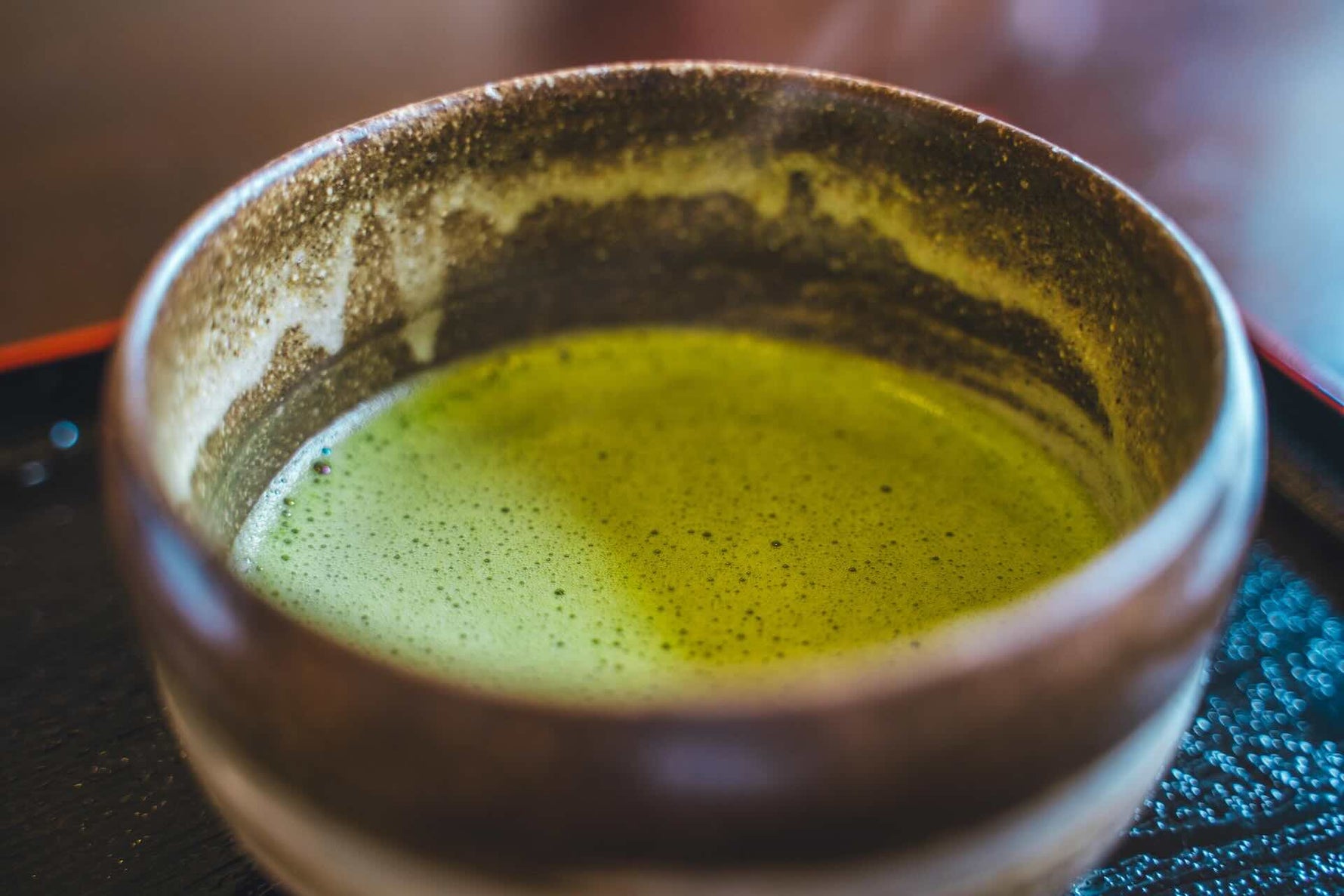
Whether you're a novice or an expert, this guide will help you navigate the world of matcha, from its origins to the perfect preparation.