
Our Tips

Best Milk for Matcha Latte | Dairy & Plant-Based Guide
The matcha latte, this green beverage that makes hearts and taste buds flutter, has become a staple in the consumption of this Japanese tea. But behind this delicious foam lies a crucial question: which type of milk to choose for preparing it? Between dairy milk and plant-based milks, the choice can seem as complex as an advanced mathematics course. Do not panic, this article is here to guide you through this milky quest!
The different types of milk available on the market
Before diving into the preparation of this delight, it is essential to know the different options available to you. With the rising popularity of plant-based alternatives, the choice has become vast. Whether you are a staunch defender of cow's milk or a follower of plant-based milks, there is certainly a milk that will pair well with your matcha.
Let us go, let us explore together the different categories of milk available on the market. Get ready, because the world of milk is as varied as an all-you-can-eat buffet!
Let us start with cow's milk, which remains a staple in many kitchens. Rich in calcium and protein, it is often preferred for its creamy texture and mild taste. However, there are also enriched cow's milks, which contain additional vitamins like vitamin D, essential for calcium absorption. For those who are sensitive to lactose, lactose-free milk is an excellent alternative, offering the same taste while being easier to digest.
Now let us move on to plant-based milks, which have gained popularity in recent years. Almond milk, for example, is light and slightly sweet, making it a perfect choice for smoothies or desserts. Soy milk, on the other hand, is often used as a substitute for cow's milk due to its protein richness. It is also a good choice for people looking to reduce their consumption of animal products. Other options like oat milk, coconut milk, and hazelnut milk offer unique flavors and can transform your recipes into true taste experiences. Each of these milks has its own nutritional and sensory characteristics, which allows them to be adapted to your preferences and dietary needs.
Dairy milks: cow, goat, sheep
Let us start with dairy milks. Cow's milk is undoubtedly the most common and most used in the world. Its creamy texture and mild taste make it a popular choice for matcha lattes. However, there are also other options like goat milk and sheep milk, each bringing their own unique flavor.
Goat milk, for example, has a more pronounced taste and may not appeal to everyone. But for those who appreciate it, it can add a beautiful dimension to the matcha latte. As for sheep milk, it is rich and creamy, perfect for those seeking a richer taste experience.
In addition to their distinct taste, these dairy milks also offer varied nutritional benefits. Goat milk is often better tolerated by people with lactose intolerance, as it contains less lactose than cow's milk. Moreover, it is rich in short-chain fatty acids, which are beneficial for intestinal health. Sheep milk, meanwhile, is an excellent source of calcium and B vitamins, making it a nutritious choice for those looking to strengthen their immune system.
It is also interesting to note that the production method of these milks can influence their taste and quality. Milks from pasture-raised animals, for example, tend to have a richer and more complex flavor profile, thanks to the diversity of their diet. This can translate into an even more enjoyable taste experience in beverages like the matcha latte, where each sip reveals subtle nuances that enrich the tasting moment.
Plant-based milks
Plant-based milks, on the other hand, have exploded in popularity in recent years. Whether for health reasons, allergies, or simply personal choice, these alternatives are now ubiquitous in supermarket aisles. But which one to choose for a matcha latte? Let us take a tour of the most popular options.
Almond milk
Almond milk is light and slightly sweet, making it an excellent choice for those looking to add a touch of sweetness to their matcha latte. Its fluid texture allows good incorporation with matcha powder, but be careful not to overdo it, as a too pronounced almond taste can sometimes mask the delicacy of matcha.
Soy milk
Soy milk is another popular option, particularly for its protein richness. Its creamy texture and neutral taste make it a good candidate for matcha latte. Moreover, it foams rather well, which is an asset for those who love beautiful presentations. However, some people may be sensitive to soy, so consume in moderation.
Coconut milk
For an exotic touch, coconut milk is an irresistible choice. Its rich and creamy taste can transform a matcha latte into a true tropical experience. However, it is important not to use too much, as its taste can easily dominate the matcha. A good balance is key!
Oat milk
Oat milk, which has recently become the darling of baristas, is appreciated for its smooth texture and slightly sweet taste. It pairs wonderfully with matcha, and its ability to foam makes it an ideal choice for latte art enthusiasts. If you have not tried it yet, it is high time to do so! Be careful though, it can be a bit harder to digest and also sweeter. If you are looking for a 100% healthy alternative, this is not the milk to choose as a priority.
Hazelnut milk
For lovers of bolder flavors, hazelnut milk is a delicious option. Its rich and slightly sweet taste can bring beautiful depth to the matcha latte. However, be careful not to use too much, as it could easily steal the show from the matcha. A little whisk and you are done!
Rice milk
Finally, rice milk is a light and allergen-free option. Its neutral taste and fluid texture make it a good choice for those who prefer a lighter matcha latte. However, it foams less well than other milks, so if foam is your priority, it might not be the best choice.
Ideal characteristics of milk for matcha latte
Now that we have explored the different types of milk, it is time to talk about the ideal characteristics that milk should have to make a perfect matcha latte. Indeed, not all milks are equal, and certain qualities are essential to obtain the desired texture and taste.
Texture and foaming ability
The texture of the milk is crucial for a successful matcha latte. Good milk must be able to foam to create that beautiful layer of foam on top. Oat and soy milks are often the best in this area, while rice milk, although light, can leave something to be desired in terms of foam. So, if foam is your priority, keep this in mind when making your choice.
Taste profile and compatibility with matcha
The taste profile is also a key factor. The chosen milk must complement the taste of matcha without masking it. More neutral milks like soy or oat milk are often the best choices, as they let the flavor of matcha shine. On the other hand, milks with more pronounced flavors, like coconut or hazelnut milk, may require a bit more caution to avoid covering the delicate taste of matcha.
Recommendations and practical tips
To finish, here are some recommendations and practical tips to help you choose the perfect milk for your matcha latte. Whether you are a novice or an expert in the matter, these tips will allow you to make the right choice in no time.
The best choices according to the desired taste
If you are looking for natural sweetness, almond or hazelnut milk is an excellent choice. For a creamy texture, opt for oat or soy milk. If you want a more exotic experience, coconut milk can add a unique touch. Ultimately, the choice depends on your personal preferences, so do not hesitate to experiment!
Preparation techniques according to the type of milk chosen
Finally, the preparation technique can also vary depending on the type of milk chosen. For milks that foam well, like oat or soy milk, a milk frother can work wonders. For lighter milks, a simple whisk may suffice. Do not forget to heat your milk before incorporating it into the matcha for an even more pleasant experience.
In short, choosing the milk for your matcha latte is an adventure in itself. Whether you are a cow's milk enthusiast or a plant-based milk lover, there are a multitude of options to explore. So, get your whisks ready, and prepare to savor a delicious matcha latte that will make you smile with every sip!

How to Care for Your Matcha Whisk | Maintenance Guide
Matcha deserves a whisk that is just as exceptional to prepare it. But, like any good tool, a matcha whisk requires proper care to ensure it stays in shape and ready to use. In this article, we will explore how to take care of your matcha whisk (also called "chasen" in Japanese) so that it can serve you faithfully for many years. Hold on tight, because we are going to whip up some humor in this mix!
Why is the matcha whisk so special?
Before diving into maintenance, it is essential to understand why the matcha whisk, or "chasen" for those in the know, is such a valuable tool. This little bamboo gem is designed to create a light and airy foam, which is crucial for fully appreciating the subtle aromas of matcha. Without it, you might end up with a drink that looks more like vegetable broth than delicious matcha.
The magic of bamboo
Made from bamboo, the matcha whisk is not only aesthetic but also incredibly functional. Bamboo is a material that bends without breaking, allowing the whisk to adapt to the texture of your matcha. Basically, it is like a high-level gymnast, capable of incredible performances without getting injured!
Discover our whisk
A tool of tradition
The matcha whisk is not just a simple utensil; it is a symbol of the Japanese tea ceremony. Its use dates back centuries and is rooted in culture. By taking care of your whisk, you honor this tradition and ensure that each cup of matcha you prepare is a tribute to this art.
The chasen is often handcrafted by skilled artisans, who carefully select bamboo for its flexibility and durability. Each whisk is unique, with a number of tines that can vary depending on the type of matcha you wish to prepare. For example, a whisk with more tines is ideal for obtaining a finer foam, while a whisk with fewer tines can be used for a thicker and creamier matcha. This attention to detail highlights the importance of craftsmanship in Japanese culture, where each element is chosen with care to enrich the tea experience.
Moreover, the use of the chasen is often accompanied by a certain ritualism. In the context of the tea ceremony, each movement is precise and thoughtful, allowing not only to prepare a delicious drink, but also to create a moment of meditation and connection with oneself and with others. The matcha whisk then becomes an extension of your intention, transforming the simple preparation of a drink into a true sensory experience.
Essential steps to maintain your matcha whisk
Now that you know why your whisk is so special, let us get down to business: its maintenance. Do not worry, it is not as complicated as solving a Rubik's Cube! Here are some simple steps to keep your whisk in perfect condition.
Cleaning after use
After preparing your matcha, it is crucial to clean your whisk immediately. Let it soak in warm water for a few minutes. Avoid soap, as it could leave an unpleasant taste on your whisk. Think of it like a small pet: it does not like chemicals!
Once you have let it soak, use your fingers to gently detach the matcha residue. Avoid scrubbing too hard, as this could damage the delicate tines. Rinse it with clear water and let it air dry, preferably away from direct sunlight. Your whisk needs rest after hard work!
Proper storage
Storage is just as important as cleaning. Avoid leaving your matcha whisk in a drawer where it could get crushed by heavier utensils. Invest in a bamboo holder or a small pot to give it a comfortable living space. Think of it as a chic apartment for your whisk!
Make sure the whisk is completely dry before storing it. A damp whisk can become a playground for mold, and nobody wants that in their kitchen. Keep it away from moisture and extreme temperatures, like a diva who cannot stand the cold!
Regular inspection
In addition to cleaning and storage, it is also wise to regularly check the condition of your whisk. Examine the tines to make sure they are not broken or worn. A whisk in good condition is essential for getting perfect foam. If you notice signs of wear, it may be time to think about a replacement. A tired whisk will not be able to beat the matcha with the same efficiency, and this could affect the quality of your drink.
Additionally, if you use your whisk frequently, consider giving it a little spa treatment from time to time. This can include a soak in a gentle solution of water and rice vinegar, which can help eliminate stubborn residue without harming the material. It is like a relaxation day for your whisk, allowing it to regain its flexibility and original shine.
Mistakes to avoid with your matcha whisk
Everyone makes mistakes, but some should be avoided if you want your matcha whisk to live a long and happy life. Here are some common missteps not to make.
Not cleaning it properly
As mentioned earlier, improper cleaning can reduce the lifespan of your whisk. Avoid harsh cleaners and machine washing. Your whisk is not a casserole dish! Take the time to clean it by hand with love.
Drying in an inappropriate place
Do not leave your matcha whisk in a place where it could become deformed. For example, do not place it next to a heat source or in a humid area. It needs a stable environment, a bit like a cat that loves its sunny spot!
Using a worn whisk
A matcha whisk has a lifespan, and it is important to replace it when it starts showing signs of wear. If the tines are all broken or if the whisk no longer foams properly, it is time to say goodbye to your faithful companion. Do not cling to a tired whisk, even if you have shared many moments together!
How to know when to replace your matcha whisk?
It can be difficult to part with your beloved whisk, but there comes a time when you have to mourn and adopt a new one. Here are some signs that indicate it is time to say goodbye to your current whisk.
The tines are broken
If you notice that half of the tines on your whisk are broken or missing, it is time to start looking for a replacement. A damaged whisk will not be able to create the perfect foam you dream of. Think of it like an injured football player: he will not be able to give his best!
Be careful though: losing a few tines is totally normal. Especially at the beginning, during the first uses, after soaking your whisk in hot water to open the stems and allow for first use, you might lose a few tines. Nothing serious though, it is rather classic.
Difficulty creating foam
If your whisk has trouble creating that beautiful light and airy foam, it may be a sign that it is time to replace it. A healthy whisk should be able to whip matcha in no time. If you have to fight with it, it is time to move on.
A generally worn appearance
If your whisk looks tired, with discolored tines or a strange shape, it is probably time to replace it. A matcha whisk should be a beautiful tool, and if yours looks like a witch's broom, it is time to make a change!
Alternatives to the matcha whisk
While the matcha whisk is the traditional tool, there are alternatives that can also do the job. Here are some options if you are out of a whisk or want to try something new.
The milk frother
A milk frother can also be a good alternative for creating light foam. It is quick and effective, but again, it will not replace the authenticity of a matcha whisk. It is a bit like using a fork to eat spaghetti: it works, but it is not ideal!
A small electric whisk
If you are really in a hurry, a small electric whisk can be an option. However, it is important to note that this can take away some of the charm of matcha preparation. Preparing matcha is a ceremony, and an electric whisk can turn it into a simple household chore. The choice is yours!
Conclusion: Take care of your whisk, and it will return the favor!
Ultimately, taking care of your matcha whisk is essential to ensure that each cup of matcha is a true delight. With proper cleaning, careful storage, and attention to signs of wear, your whisk can accompany you on many matcha adventures. So, do not hesitate to give it a little love and care, and it will reward you a hundredfold. And who knows, perhaps your whisk will even become a legend in the matcha world!
So, ready your whisks, set, go! May the foam be with you!
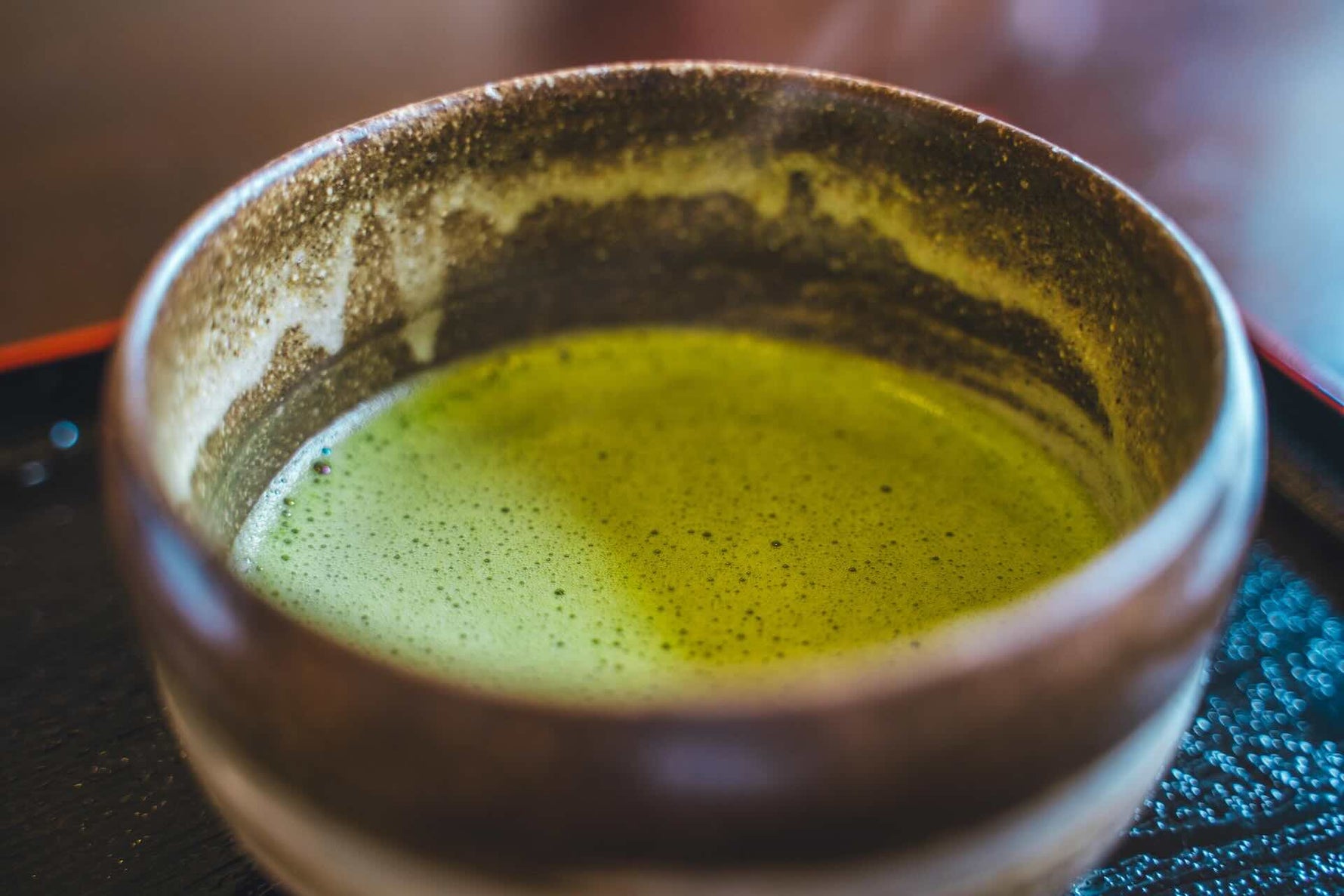
Complete Guide to Matcha and How to Prepare It
Whether you're a novice or an expert, this guide will help you navigate the world of matcha, from its origins to the perfect preparation.